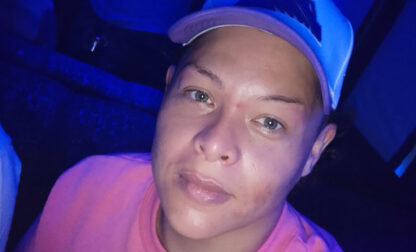
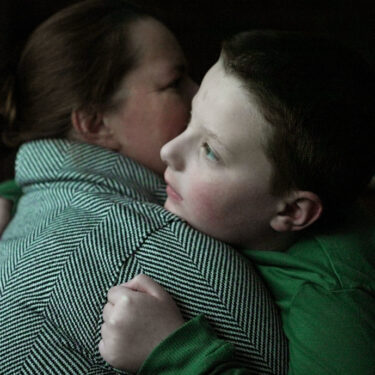
AP medical writer Laura Ungar and video journalist Shelby Lum shone a light on people who are often overshadowed in national conversations about autism: those who require around-the-clock care.
Autism has generated headlines for many reasons, including the Trump administration’s promotion of unproven and debunked theories about its cause. The adoption of the autism spectrum disorder diagnosis in 2013 broadened the definition, encompassing people with low support needs. Increased awareness has also led to more diagnoses, most involving children with relatively mild symptoms.
Ungar, who covers pediatrics, centered her reporting on a growing debate within the medical and advocacy communities: whether to create a separate diagnosis for people who will need lifelong, around-the-clock care so their needs can be studied independently from the much larger population with lower support needs.
Ungar recognized the proposal is controversial, in part because it could introduce a stigmatizing label. At the same time, she saw an opportunity to tell the stories of families and individuals whose profound challenges are often overlooked. Lum’s visual storytelling added depth and intimacy to the reporting.
Judges praised the nuanced reporting, clarity in explaining a complex issue and the compassionate portrayal of families navigating extraordinary caregiving demands.
Submission Links
APNewsarticle:https://apnews.com/article/profound-autism-trump-autism-speaks-8b1d269a0672fc33a3de66c0c8e9d7fe
Related articles