
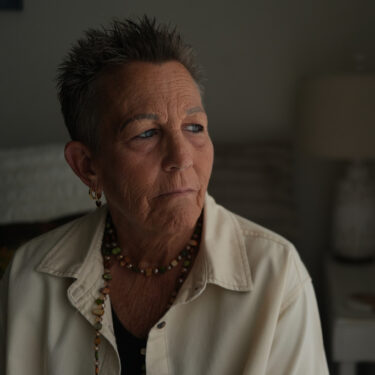
As medically assisted death expands across the United States, AP delivered a deeply sourced and humane examination of the legal, moral and religious questions surrounding the contentious issue, told through people confronting those questions in their own lives.
Global Religion reporter Luis Andres Henao examined state laws, court challenges and the history of medical aid in dying since the first U.S. law took effect in 1997. He interviewed doctors, bioethicists, faith leaders and legal experts, while seeking out voices on both sides of the debate. Crucially, he gained the trust of terminally ill patients preparing to make profoundly personal decisions about their deaths.
Shortly before a new Illinois law took effect, Henao teamed with Chicago video journalist Laura Bargfeld to document Deb Robertson, a terminally ill advocate who lived to see the measure nicknamed “Deb’s Law” become reality. They also spent time with opponents of medical aid in dying, including Ebony Payne, a quadriplegic disability advocate, and Chicago Archbishop Cardinal Blase Cupich, ensuring the package explored concerns about disability rights, faith and the consequences of such laws alongside the experiences of those advocating for them.
In California, Henao’s source work opened another extraordinary window. He interviewed cancer patient Peter Redgrove as Redgrove prepared to use the state’s assisted-dying law. San Diego video journalist Javier Arciga then gained rare access to document one of Redgrove’s final days before he took the lethal prescription.
Together, the text, the photographs by Henao and the videos by Bargfeld and Arciga created an intimate, respectful package that made complicated questions of faith, disability rights, medical ethics and personal choice accessible through the experiences of those most directly affected. The work received wide play, resonated strongly with audiences and generated hundreds of comments reflecting sharply different views. Henao also received messages of appreciation from people on opposing sides of the debate.
Judges praised the incredible visuals, in-depth multiformat storytelling and sensitive treatment of such an intimate topic.
For exceptional source work and compassionate all-formats storytelling that brought humanity and clarity to a complex end-of-life debate, Henao, Bargfeld and Arciga earn Best of the AP — Second Winner.

Related articles