A cross-team, cross-format collaboration that combined scale with depth, AP’s After the Border project was an extraordinarily innovative exploration of how unprecedented border crossings have reshaped the U.S. The package hit every mark epitomizing the best of AP: sharp, intuitive data visualization; interactive elements; strong visual journalism, deeply humanizing reporting and service to members.
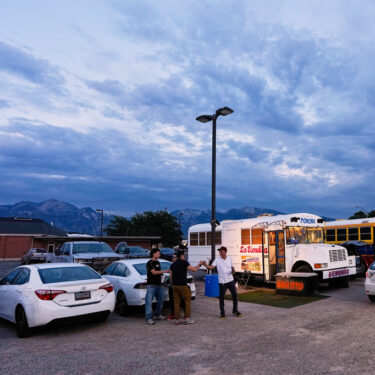
It all started more than a year ago, when the AP filed a FOIA request with U.S. Customs and Border Protection for records on the destinations of migrants released after crossing the Mexican border into the U.S. The next 15 months saw herculean efforts from various corners of the AP, kicked off by persistent legal wrangling by then-AP fellow Anise McKinney. Data journalist Aaron Kessler executed an intensive analysis of millions of records. Immigration editor Elliot Spagat, reporter Claire Galofaro, photojournalists Greg Bull and Carolyn Kaster and videojournalist Obed Lamy fanned out across the country to tell the migrants’ stories. Top Stories Editor Janelle Cogan spent weeks editing the wide array of stories and read every last piece of text in this package – from photo captions to the tremendous presentation – to ensure accuracy and that decisions made in one format carried over to the others. Artists Will Jarrett and Humera Lodhi built a compelling landing page that formed the crux of the project, which included a map that allowed readers to search where migrants went by ZIP code and nationality. News editor Linda Gorman was deeply involved from early stages to ensure millions of data points were presented in a compelling and informative way. Digital producer Kiki Sideris also produced an engaging social media video. Local News Investigations’ Justin Pritchard leveraged relationships with U.S. news organizations to work with select partners to facilitate their own stories. Advance Publications, the Baltimore Sun and the Nashville Banner published 12 stories off the AP’s data within days, and more are expected. The immersive report on the destinations of 4.5 million migrants went beyond numbers. The accompanying stories delved deep into different communities to put human faces on the data. The Venezuelans shunning Florida for Utah. The unlikely Cincinnati suburb transformed into a melting pot. Even the methodology story reflected compassion, explaining that the map and search tools excluded results less than 10, in the interest of preserving privacy. After the Border was also notable for highlighting the journeys of migrants from more than 150 countries – a sharp break from the focus on migrants from Mexico or Central America. The stories were bolstered by contributions from across the newsroom, including social video, a localization guide and a robust digital presentation and promotion plan.
The package was highly engaged by readers and received notable traffic – as well as widespread praise.
The judges were impressed by the exemplary innovation, tenacity and compelling reporting demonstrated in this project.
For their extraordinary work and collaboration, Spagat, Kessler, Jarrett, Lodhi, Bull, Galofaro, Kaster, Lamy and Pritchard win this week’s Best of the AP – First Winner.
Submission Links
https://apnews.com/projects/border-crossing-immigration-data-mexico-us/ https://apnews.com/article/venezuela-utah-florida-immigration-border-asylum-tps-f5cbd71ebb18eb3be4d9b2321739489c https://apnews.com/article/migration-data-us-analysis-border-crossing-2eb0cdfd1ac925e4f3ad1cb81c36d473 https://apnews.com/photo-essay/immigration-asylum-cincinnati-ohio-mauritania-community-97e264a703cb80198b00bc0de2a59ad4 https://apnews.com/article/lockland-ohio-mauritania-immigration-asylum-border-d8867376a4c045c2f74b1d0940c11d23
Related articles