Reporting from Russian-occupied parts of eastern Ukraine is extraordinarily difficult. Connectivity is unreliable, outside journalists have limited access and residents fear punishment for speaking. Yet Yuras Karmanau delivered a rare and intimate portrait of daily life under Moscow’s control, four years into the war.
Drawing on trusted contacts and firsthand regional knowledge, Karmanau spent more than a month conducting careful outreach to residents still living in occupied territories. Through anonymous interviews, he documented acute shortages of housing, water, electricity, heating and medical care — as well as the psychological toll of isolation and uncertainty.
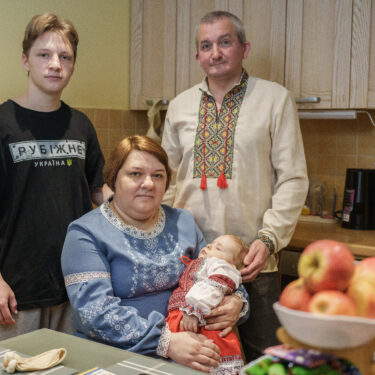
Convincing displaced Ukrainians to speak on the record proved equally challenging. Many worried about family members still behind or struggled with trauma from their escape. Through leaders of a Ukrainian diaspora network in Estonia, Karmanau persuaded one family to share their story on camera. They described sheltering for days in a damp basement as shells pounded their village before they finally fled.
The resulting story offered readers a rare, human-centered account from inside territories that are often reduced to front-line maps and battlefield updates — illuminating the quiet suffering of civilians living in prolonged occupation.
Judges praised the perseverance, sourcing and compassion required to produce reporting from one of the most closed-off corners of the war.

Related articles