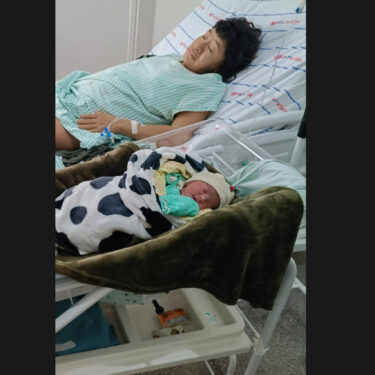
When Brazil’s Indigenous protection agency announced that the Akuntsu people — a tribe reduced to just three women — had celebrated their first childbirth in 30 years, Amazon correspondent Gabriela Sá Pessoa immediately recognized the significance. But reporting the story posed enormous challenges.
The Akuntsu live in voluntary isolation deep in the Amazon and do not speak Portuguese. The only government official authorized to escort outsiders had recently died, making access nearly impossible. Undeterred, Sá Pessoa dug into academic research and identified the sole outsider known to have documented and learned the Akuntsu language. That connection proved pivotal in unlocking the story.
Through careful reporting, Sá Pessoa revealed that the tribe’s decades without children were not due to biology but to a painful choice. After their territory was devastated by illegal logging and development, the women had believed the world around them was no longer fit to bring children into. The recent pregnancy marked a profound shift in outlook — a sign of renewed hope for the tribe’s future.
The story went beyond a birth announcement. Sá Pessoa also examined how the survival of the Akuntsu could help protect their land from deforestation, linking the tribe’s fate to the broader environmental fight in the Amazon.
Judges praised the persistence, cultural sensitivity and depth of reporting that brought this extraordinary story to light.

Related articles