
As part of its longstanding commitment to state and local news in the U.S., The Associated Press has introduced the Global Indigenous Reporting Network (GIRN), a collaborative initiative designed to expand the reach of Indigenous affairs coverage.
Bryan Pollard, a citizen of the Cherokee Nation and GIRN’s program manager, discusses the initiative, which is made possible through support from AP Fund for Journalism, AP’s charitable sister organization:
What is the Global Indigenous Reporting Network, and why did AP create it?
The Global Indigenous Reporting Network is a collaboration among news outlets with dedicated Indigenous affairs coverage. The network is designed to expand the reach of Indigenous reporting through insightful, digital-first and multiformat storytelling.
AP created GIRN to build a network beyond its traditional customer base by working directly with outlets that are deeply connected to Indigenous communities. These organizations bring trusted relationships and lived expertise that strengthen reporting at its core. By working collaboratively, GIRN helps ensure that the most informed and authoritative sources — those closest to the stories – reach wider audiences than they would otherwise.
What kind of stories can audiences expect to see through the network?
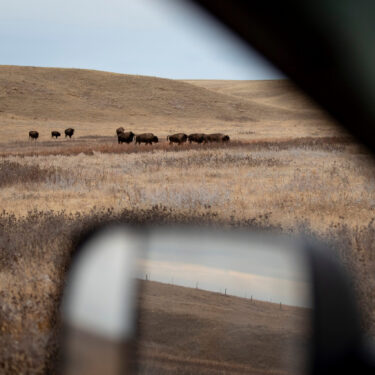
They can expect to see reporting that highlights the authentic, lived experiences of modern Indigenous peoples and the challenges confronting Indigenous communities today. For example, the first collaboration between the AP and Indian Country Today centered on a story of ingenuity and resilience among tribes in the U.S. that were harvesting bison, deer and other animals from their herds to feed people who were struggling after the federal government cut off certain food benefits. The joint effort allowed for reporting and photography from multiple states, along with video on TikTok that had nearly 5 million views. Collaborations will originate within the network and could be on a variety of topics, from the World Indigenous Games to the health of Indigenous communities worldwide. AP supports these efforts by amplifying the journalism to a global audience and contributing reporting resources, data expertise and production support.
What impact do you hope GIRN will have over time?
The network is already showing early signs of success, with a growing number of outlets joining and participating in collaborations. Over time, we hope audiences will increasingly look to AP and the network members as trusted sources for strong, factual and nuanced coverage of Indigenous affairs. Beyond expanding reach, the collaborative model is designed to build capacity among participating outlets — strengthening their ability to produce multiformat storytelling and better serve their communities.
Anything else to add?
One of the cornerstones of the project was to hire a dedicated Indigenous affairs reporter at the AP to collaborate with network partners. Savannah Peters, who is Mashpee Wampanoag, started in the position in January. She brings a tremendous passion and depth of experience to the AP. She works under Felicia Fonseca, the editorial director for the network, who will help lead AP’s collaboration with other outlets and assess needs so that AP can support storytelling, whether that’s through sharing data, providing photographers and videographers, or training and mentorship. Felicia also will manage the distribution of content to AP audiences.