From the beginning, AP surged resources for the coverage of Charlie Kirk’s assassination, sending journalists to Utah and reporting from afar with teams that included U.S. News, Washington, religion, trends and culture, and education. All formats were included in the day-to-day planning, with managers establishing a virtual newsroom to talk through angles and approaches.
AP staff was disciplined in reporting. For example, AP did not rush out information on writings on the bullet casings that turned out to be wrong. The photo report was robust, with numerous photo galleries and top picks for AP photos. The digital team quickly promoted alerts and stories, which are among the most-read the AP has produced this year in multiple formats.
The tremendous team effort across the AP went beyond the spot news into the feeling of America at a time of intense political polarization and the effect on people, educational institutions, businesses and more. The coverage was smart and nuanced, with every journalist working the story playing into its success.
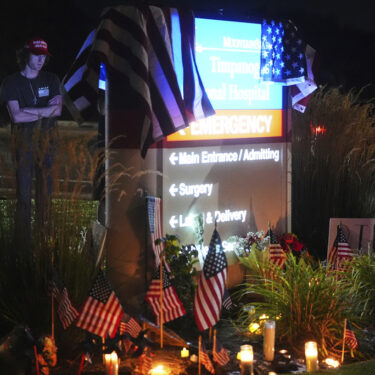
On video alone, AP was everywhere. The team had live shots from outside the jail where the suspect, Tyler Robinson, was booked; from outside Robinson’s home in Washington, Utah; from outside the Turning Point headquarters in Phoenix; and at numerous memorials and vigils. AP was the first to establish a live shot that showed the tent under which Charlie Kirk was shot at Utah Valley University. All journalists on the ground and working remotely leaned into the multiplatform reporting, contributing video, photos and explainers.
Judges commended AP’s speed and agility across multiple facets of the newsroom to cover the initial breaking news along with thoughtful, nuanced follow-ups.
For providing rapid, consistent and diverse breaking news reporting, the nominees earn this week’s Best of AP — Second Winner.

Related articles