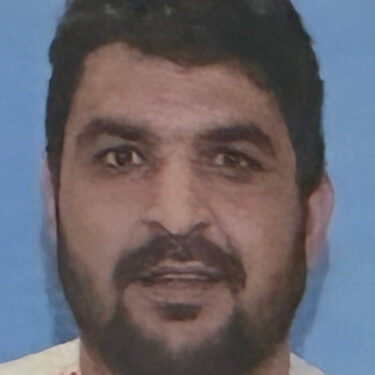
Before he was accused of shooting two National Guard members blocks from the White House, warning signs were already emerging about Rahmanullah Lakanwal. Farnoush Amiri was the first to reveal details of his increasingly erratic behavior — from spending weeks in a darkened room not speaking to his wife to taking sudden, weekslong cross‑country drives.
Amiri’s exclusive reporting showed how Lakanwal’s behavior had deteriorated so sharply that a community advocate reached out to a refugee organization for help, fearing he was becoming suicidal. All this unfolded while a top U.S. official publicly suggested, without evidence, that the Afghan man — who had served in an army unit backed by the CIA — may have been “radicalized.”
Amiri began the story after hearing from a trusted source who said someone close to the suspect and his family had alarming details about his state of mind in the months and years leading up to the alleged attack. Wanting to speak with a journalist familiar with the Afghan community and the complexity of resettlement after the fall of Kabul, the source sought out Amiri specifically.
At the time, Amiri was in California visiting family and had only hours before a flight back to New York. She began reporting on the way to the airport and, working with White House Editor Roberta Rampton, filed the story by midnight in Washington — just as her plane was preparing to take off.
Judges praised Amiri’s exclusive reporting, noting how competitive the Washington market is and how difficult it is to break news of this caliber.
For her exclusive, Amiri wins this week’s first citation for Best of the Week.

Related articles