It’s a process that has been going on for years — returning to tribes the remains of Native American children who died and were buried at the Carlisle Indian Industrial School. The AP has covered the annual repatriations each year. When Mark Scolforo set out to report on this year’s return, he embraced a digital-first approach.
With help from reporter Graham Lee Brewer in Oklahoma, Scolforo uncovered exactly how one tribe managed to recover its children while others remain mired in lengthy federal litigation. The Cheyenne and Arapaho Tribes of Oklahoma got around the U.S. Army’s requirement to return remains only to direct descendants — a policy enforced in defiance of the Native American Graves Protection and Repatriation Act (NAGPRA) — by formally adopting their long-dead tribal members. The workaround opens a path for the recovery of 118 named Native American or Alaska Native children still buried at Carlisle, and possibly many more across the nation.
Scolforo’s reporting included unreported details drawn from meticulous school record research and family recollections. Video journalist Mingson Lau covered the Army’s media day and documented each headstone with photos and video. His gripping video package included the voice of a descendant and visuals that supported Panagiotis Mouzakis’ interactive scroll showcasing individual stories of each child.
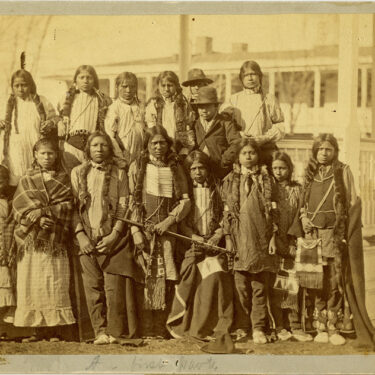
Scolforo also delivered archival images for a featured presentation by Patrick Sison and Dario Lopez Mills on APNews.com. He compiled a By the Numbers piece and partnered with Jennifer Lehman for a Localize It guide. Editor Mike Warren worked closely with Scolforo to shape the text.
Judges praised the layered storytelling, compelling visuals, and intrepid reporting.
For breaking news and embracing digital-friendly storytelling, Scolforo, Brewer, Lau, Mouzakis and Lopez Mills win this week’s Best of the Week – Second Winner.
Submission Links
https://apnews.com/article/native-american-boarding-school-carlisle-pennsylvania-3d94e92ee1ba56145c96c66965a4acdc https://apnews.com/video/the-remains-and-stories-of-native-american-boarding-school-students-are-being-reclaimed-from-a-pennsylvania-cemetery-c6a24b8a2c4a4bfb86676b81a602450a https://apnews.com/article/indigenous-boarding-school-carlisle-indian-native-8a033a9ff63d42257a74e7f68e5d4386
Related articles